ERP vs Tally: Which Is Better for Your Business in India?
Tally is great for accounts, but is it enough once you have inventory, sales teams and production? A simple comparison to help you decide when to move to ERP.
Many Indian businesses start with Tally — and for good reason. It handles accounting, GST and billing very well. The confusion begins when the business grows and owners ask: "Do we now need an ERP?"
What Tally does best
- Accounting, ledgers and balance sheets
- GST returns and invoicing
- Basic inventory and stock summary
- Low learning curve for accountants
If your main need is accounts and GST, Tally is often enough.
Where Tally starts to struggle
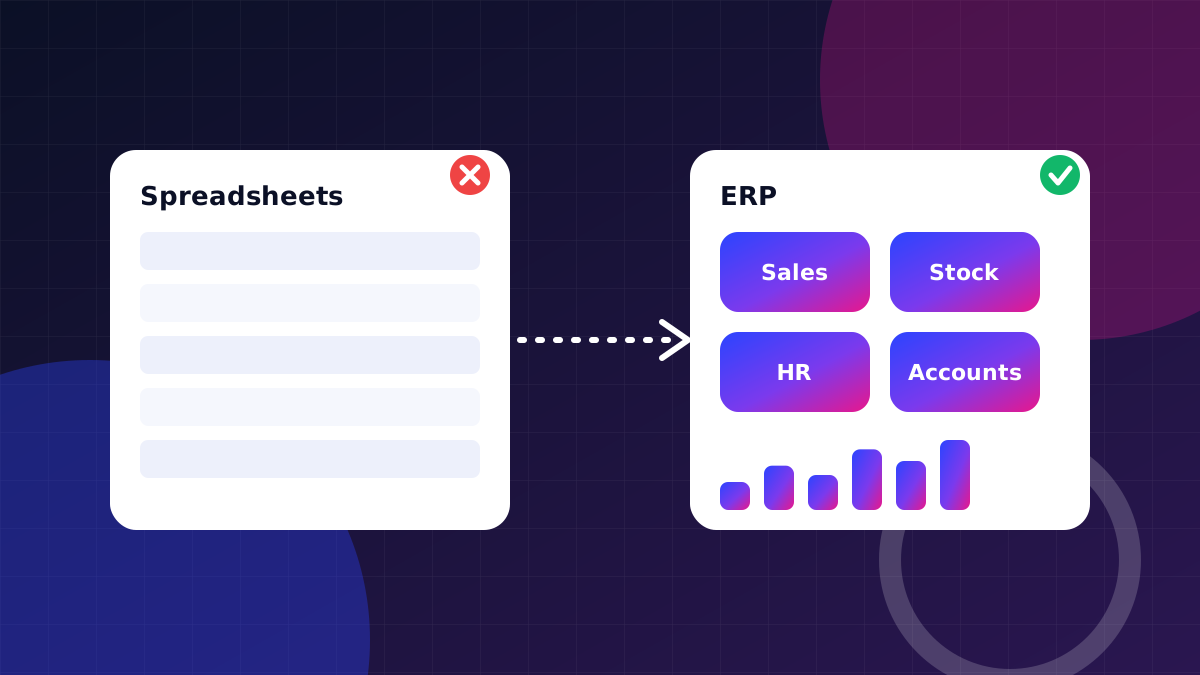
- Many departments — sales, purchase, stores, production and HR all keep their own Excel sheets.
- Approvals and workflow — price approvals, purchase approvals and leave approvals still happen on WhatsApp.
- Real-time visibility — the owner waits for the accountant to prepare reports.
- Multiple branches or users — controlling who can see and edit what becomes hard.
- Production and job work — planning, BOM and costing are not the core of an accounting tool.
What an ERP adds
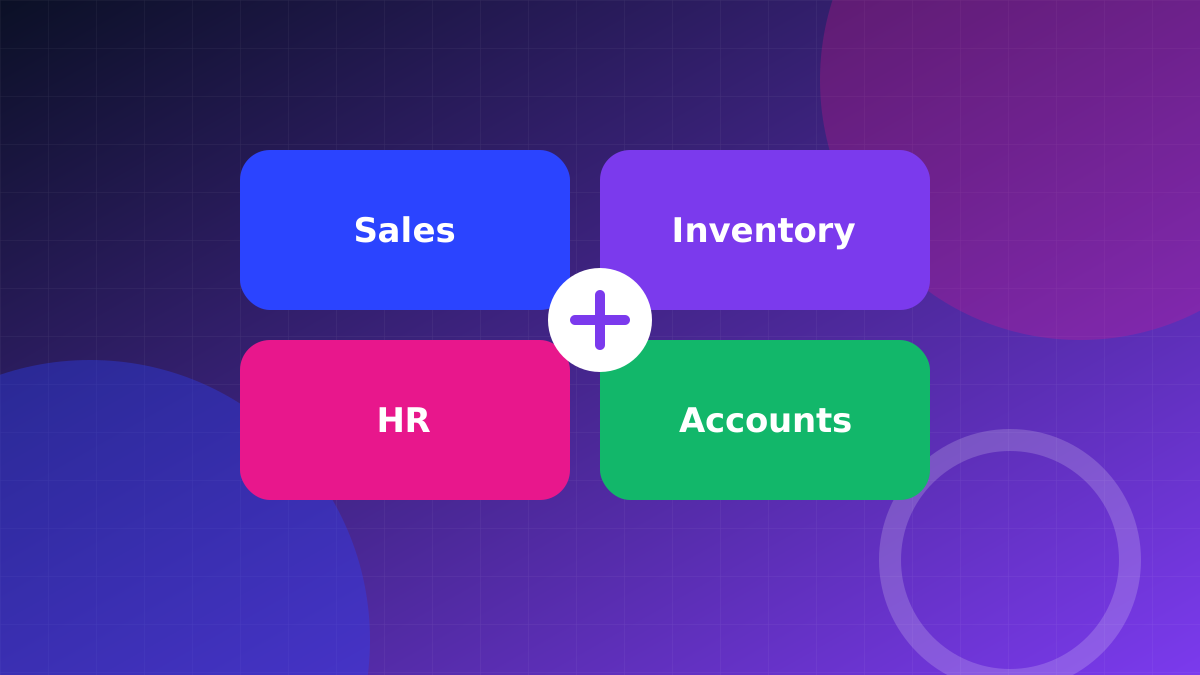
An ERP connects every department on one database. A sales order automatically reserves stock, triggers purchase or production, creates the invoice and updates accounts. Management sees live dashboards instead of waiting for month-end reports.
Do you have to choose one?
Not always. Many companies keep Tally for accounting and add a custom ERP that integrates with Tally for sales, inventory, production, HR and CRM. This is often the lowest-risk way to upgrade.
Quick decision guide
- Stay on Tally if you are small, have one location and mostly need accounts.
- Add or move to ERP if you have multiple departments, branches, approvals, production or a sales team to track.
Not sure what fits you?
Our team has built ERP and HRMS products and can review your current process for free. Book a free consultation or explore our custom ERP development service.